
In today’s hyper-connected world, Digital Inclusion is no longer a luxury—it’s a necessity. But millions of people are still left behind. As of now, nearly 40 per cent of the world’s population is still not connected, unable to access the digital tools that have become essential for education, work, and daily life.
As a result, Digital Inclusion is about ensuring that everyone, regardless of background, has equal access to technology. In my recent thesis, I explored how businesses can help promote Digital Inclusion in developed countries, with a focus on families who struggle with digital parenting.
This article will dive into how Tech Giants such as Google and Microsoft are already contributing to bridging this divide.

What is the Digital Divide?
The Digital Divide refers to the gap between those who have access to modern digital tools—like the internet, devices, and digital literacy—and those who do not. This divide disproportionately affects marginalized groups, including low-income families, rural communities, and the elderly.
This article will focus on populations within developed economies. Despite living in developed countries, many people are still unable to fully participate in the digital age. The Digital Divide thus remains a critical issue, that affects not only access to digital tools, but also literacy, usability, and the empowerment that comes with it.
Why should tech companies care about Digital Inclusion?
The Digital Divide isn’t just a societal issue; it’s an economic one. Excluding large segments of the population from digital access reduces workforce participation, limits innovation, and deepens inequalities. More than ever, tech companies hold immense power in shaping the future of connectivity, and with that power comes the responsibility to ensure that everyone is included.
By bridging the Digital Divide, tech companies will not only improve societal outcomes but also open up new markets, drive economic growth, and enhance their brand reputation. As we’ve seen in the past decade, Digital Inclusion initiatives can benefit businesses while making a positive impact on society.

Case Study #1: Google’s ‘Be Internet Awesome’ initiative
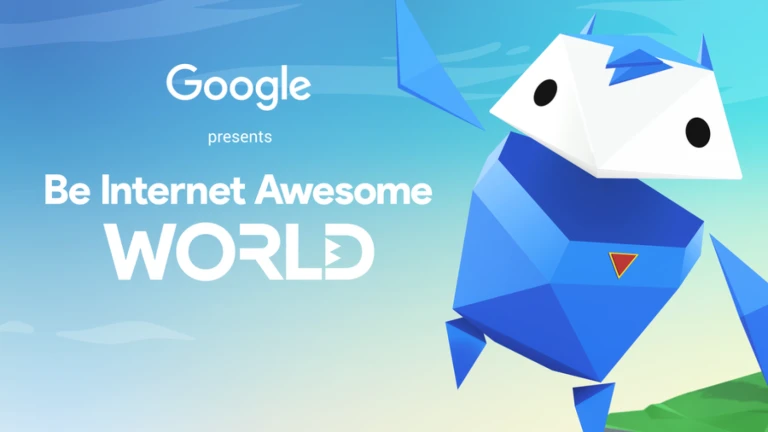
In 2017, Google launched Be Internet Awesome (BIA), an initiative designed to educate children about online safety and digital citizenship. At the heart of this program is Interland, a game-based learning platform that teaches children how to manage privacy, recognize online threats, and act responsibly in digital environments.
Through a series of four interactive mini-games, kids learn critical lessons such as “sharing with care” and “securing [their] secrets.” Each game is designed to be engaging and fun while imparting valuable lessons about internet safety. By reaching schoolchildren worldwide, Google is not only providing access to vital information but also equipping them with the tools needed to navigate the online world responsibly.
The BIA initiative also includes resources for parents and educators, such as digital citizenship lessons and family guides that promote safe internet practices at home. With over 25 countries participating, the program demonstrates the power of education in narrowing one aspect of the Digital Divide, where people may have access to the internet but lack the skills to use it effectively.
Case Study #2: Microsoft’s Family Safety app
Launched in July 2020, Microsoft’s Family Safety app offers parents a range of tools to manage their children’s screen time, monitor their online activities, and keep them safe in today’s digital environment. The app integrates seamlessly with Microsoft’s broader ecosystem (Windows, Xbox, and Office 365), making it easier for parents to oversee their children’s online activities.
Some of the key features include:
- Screen Time Management, which allows parents to set daily screen time limits across all devices.
- Content Filtering, which blocks access to inappropriate content and provides a safer browsing experience.
- Activity Reporting, which enables parents to receive detailed reports on their children’s digital habits, helping them make informed decisions about their kids’ screen time.
What makes the Family Safety app stand out is its emphasis on education and empowerment, rather than just control. It encourages parents to engage in dialogue with their children, helping them understand the importance of digital safety. The app directly ensures that families not only access technology but also benefit from it meaningfully.
How can Tech companies do more?
While Google and Microsoft have made significant strides in addressing the Digital Divide, there’s still much more that can be done. My thesis dives deeper into ethical business practices, partnerships with local communities, and strategies for improving digital literacy. If you’re interested in learning more about how businesses can bridge the Digital Divide, I’d be happy to share insights from my thesis on the role of businesses in promoting Digital Inclusion and in supporting parents in their digital parenting strategies. Feel free to reach out (Linkedin).
Conclusion: a call to action
Digital Inclusion is one of the most pressing issues of our time. Tech companies have the resources, reach, and responsibility to close the Digital Divide and ensure that no one is left behind. By adopting more ethical business practices and focusing on inclusion, these companies can drive both economic growth and social progress. However, while tech companies play a central role, individuals and communities also have the power to advocate for digital inclusion and hold these companies accountable for their promises.
My-Linh THIEU